
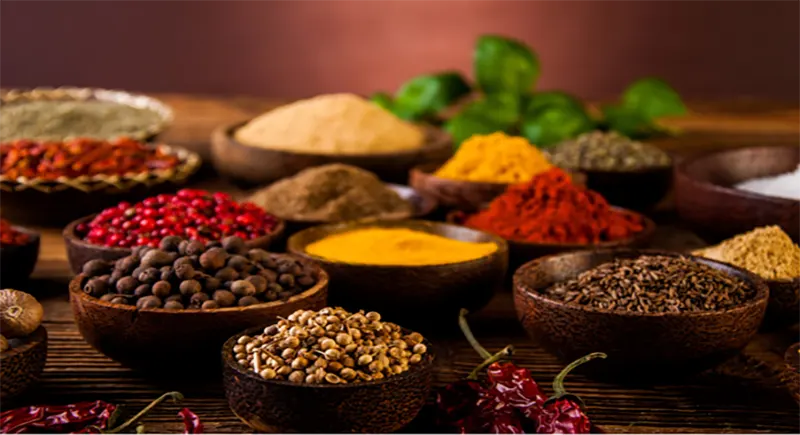
Indonesia, aptly known as the “Spice Islands,” holds a world-renowned reputation for its extraordinary variety of herbs and spices. Renowned globally, this tropical archipelago’s bounty of Indonesian herbs not only flavors cuisine but nurtures health and uplifts economies.
A Tapestry of Flavor and Wellness
As detailed in “Exploring the Diversity of Indonesia Herbs and Spices,” the Indonesian culinary landscape is enriched by an array of aromatic ingredients. Ginger and lemongrass, as well as other Indonesia herbs and spices, fill kitchens with warmth and zest, bringing both flavor and traditional therapeutic qualities to daily life.
Meanwhile, the article “Indonesia Herbs: A Treasure Trove of Health Benefits” emphasizes the deep-rooted tradition of Indonesian herbs in jamu (traditional medicine). Ginger eases digestion and soothes nausea; turmeric delivers potent anti-inflammatory and antioxidant effects; lemongrass calms the mind and aids blood pressure; betel leaf acts as an antiseptic; pandan soothes fevers; galangal supports respiratory health; and cloves serve both culinary and medicinal roles.
Spotlight on Iconic Spices
Let’s take a closer look at four globally famous spices—cinnamon, clove, black pepper, and vanilla—all cultivated in Indonesia, and deeply woven into the fabric of its heritage:
- Clove: Indigenous to the Maluku Islands, cloves have anchored Indonesia’s spice legacy. As an aromatic flower bud, clove has been prized for centuries—for food preservation, fragrance, and therapeutic use. Clove’s star compound, eugenol, brings antibacterial, antioxidant, and analgesic properties, making it a revered remedy for toothache, digestive discomfort, respiratory relief, and immune support.
- Cinnamon: Cultivated across regions like West Sumatra and Yogyakarta, cinnamon infuses both sweet and savory dishes with warmth and complexity. Its soothing aroma and active compounds extend beyond cooking—cinnamon may even help with skin health, offering antimicrobial and antifungal benefits that can aid in acne treatment when used mindfully.
- Black Pepper: Recognized as one of Indonesia’s most critical spice exports, black pepper thrives in provinces like Lampung, Bangka, Sumatra, and Sulawesi. It’s a cornerstone in both Indonesian cuisine and global markets, thanks to its rich, pungent flavor and economic significance.
- Vanilla: Indonesia is among the world’s key producers of vanilla—the coveted green gold. Vanilla pods command high prices due to the complex, labor-intensive cultivation and curing process. Beyond flavor, their antioxidants, anti-inflammatory properties, and calming aroma make vanilla valuable in culinary, cosmetic, and wellness industries.
Indonesia as a Global Powerhouse of Herbs and Spices
Indonesia’s tropical climate and vast biodiversity make it a leading supplier of herbs and spices. Its historical role as the “Spice Islands” underscores its global influence.
According to the Indonesian Export Financing Agency (Eximbank), the country boasts nearly 275 varieties of spices since the 15th century, with over 400 types recorded globally. In 2023, Indonesia exported 148,220 tonnes of spices—though export value slightly declined to USD 564 million, demand remains robust.
Cloves stood out with a remarkable 61% year-over-year export growth, while spices like fennel, coriander, cumin surged 81.6%, and ginger and turmeric soared 139%—highlighting Indonesia’s dynamic position in the global spice trade.
Spices rank as Indonesia’s fourth-largest export commodity, trailing behind shrimp, fish, and coffee. Notably, Indonesia leads the world in vanilla and clove production, and ranks second in pepper, affirming its pivotal role in global spice supply.
Health, Culture, and Economic Synergy
The richness of Indonesian herbs is not limited to taste. They’re deeply embedded in traditional health systems, culinary innovation, and economic prosperity. Spice cultivation supports vast rural livelihoods—programs like Go Export Villages drive training and export readiness, benefiting over 80,000 farmers across Java, Nusa Tenggara, and beyond.
Conclusion
Indonesia’s natural bounty of herbs and spices, from ginger to turmeric, clove, cinnamon, black pepper, and vanilla, stands not just as a culinary treasure but a living tradition of health, economic empowerment, and cultural identity. Indonesian herbs have flavored dishes, healed ailments, and anchored the archipelago’s enduring global presence as a dominant tropical producer.
By embracing both its historic roots and modern export momentum, Indonesia continues to let the world savor—and benefit from—its abundant, aromatic diversity.
Contact:
WhatsApp (+62)812 1233 3590 (Ms.Maria)
Email sales@arlion.co.id

