Exploring the Diversity and Health Benefits of Indonesia’s Herbs and Spices

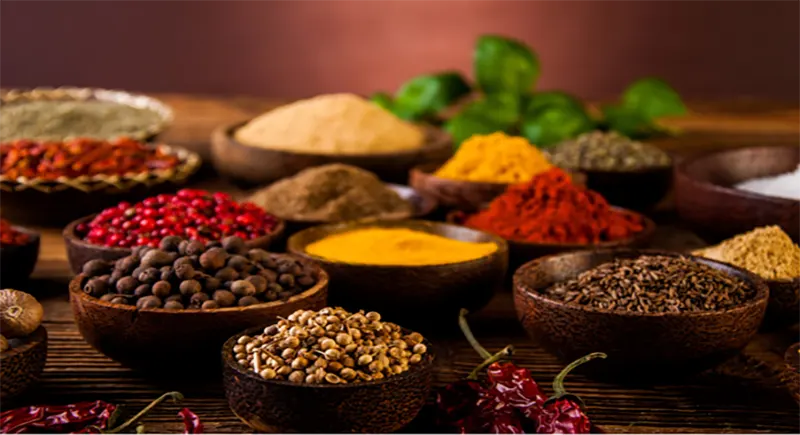
Indonesia, aptly known as the “Spice Islands,” holds a world-renowned reputation for its extraordinary variety of herbs and spices. Renowned globally, this tropical archipelago’s bounty of Indonesian herbs not only flavors cuisine but nurtures health and uplifts economies.

A Tapestry of Flavor and Wellness

As detailed in “Exploring the Diversity of Indonesia Herbs and Spices,” the Indonesian culinary landscape is enriched by an array of aromatic ingredients. Ginger and lemongrass, as well as other Indonesia herbs and spices, fill kitchens with warmth and zest, bringing both flavor and traditional therapeutic qualities to daily life.

Meanwhile, the article “Indonesia Herbs: A Treasure Trove of Health Benefits” emphasizes the deep-rooted tradition of Indonesian herbs in jamu (traditional medicine). Ginger eases digestion and soothes nausea; turmeric delivers potent anti-inflammatory and antioxidant effects; lemongrass calms the mind and aids blood pressure; betel leaf acts as an antiseptic; pandan soothes fevers; galangal supports respiratory … Read More ...


Popular Street Food in Japan and its Origins

Japanese cuisine is a delightful and diverse culinary experience that encompasses a wide variety of flavors and textures. One aspect of Japanese food culture that has gained international popularity is its rich tradition of street food. From savory snacks to sweet treats, Japanese street food offers an array of culinary delights that are loved by locals and tourists alike. Let’s explore some popular street food in Japan and delve into their fascinating origins.

Takoyaki: The Irresistible Octopus Balls

Takoyaki is a beloved street food in Japan that originated in Osaka in the 1930s. These savory octopus balls are made from a batter of flour, eggs, and dashi broth, filled with diced octopus, pickled ginger, and green onions. Cooked in a special takoyaki pan to achieve their signature round shape, these delightful morsels are then slathered with tangy-sweet takoyaki sauce and topped with bonito flakes and seaweed powder. The fascinating origin … Read More ...

Exploring the Unique Aspects of Japanese Cuisine and Culture

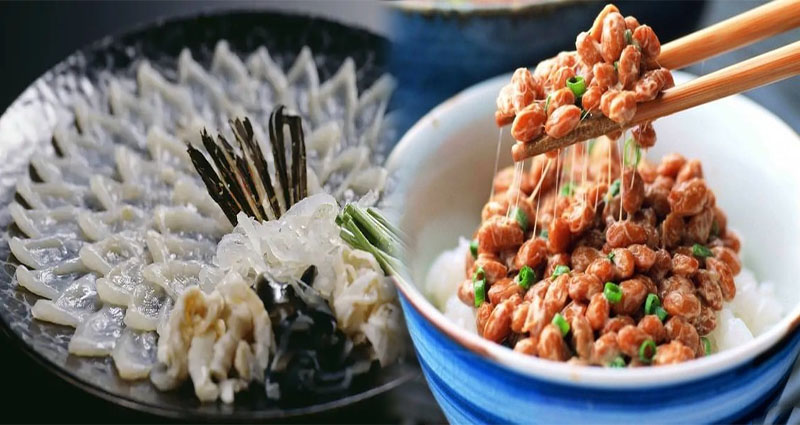
Japanese cuisine and culture are deeply intertwined, reflecting a rich tapestry of traditions, flavors, and customs that have evolved over centuries. From the reverence for seasonal ingredients to the meticulous artistry of food presentation, Japanese culinary culture embodies a unique set of values and practices that distinguish it on the world stage. Let’s delve into some of the most fascinating and unique aspects of Japanese cuisine and culture.

1. Seasonality and Embrace of Nature

In Japanese culinary tradition, the concept of “shun” emphasizes the use of seasonal, locally sourced ingredients at the peak of their freshness and flavor. This deep respect for seasonality not only ensures the highest quality of ingredients but also fosters a harmonious connection with nature, allowing diners to experience the changing seasons through their palates. From cherry blossoms in the spring to matsutake mushrooms in the fall, each season brings a new bounty of ingredients to … Read More ...

Famous Japanese Dishes and Their Unique Ingredients

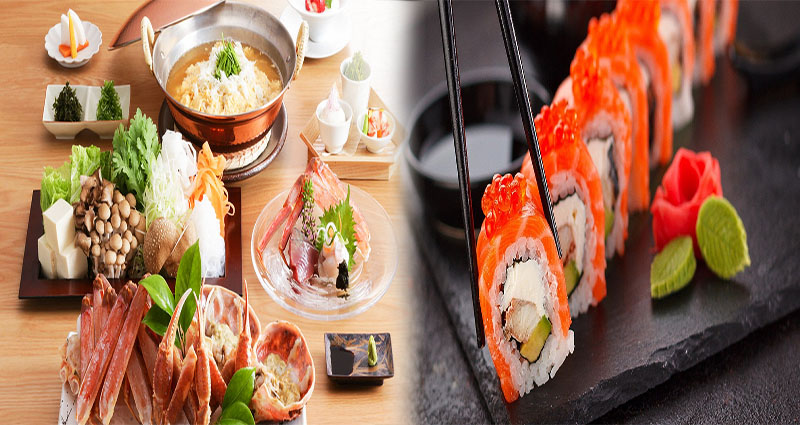
Japanese cuisine boasts a rich tapestry of flavors and dishes that are renowned worldwide for their unique ingredients and meticulous preparation. From sushi to tempura, traditional Japanese dishes showcase a diverse array of flavors, textures, and ingredients. Let’s explore some of the most famous Japanese dishes and the unique ingredients that make them exceptional.

1. Sushi – The Quintessential Japanese Delicacy

Ingredients:

  • Sushi Rice: Sushi rice, seasoned with vinegar, sugar, and salt, forms the base of all sushi varieties, providing a delicate and slightly tangy flavor.
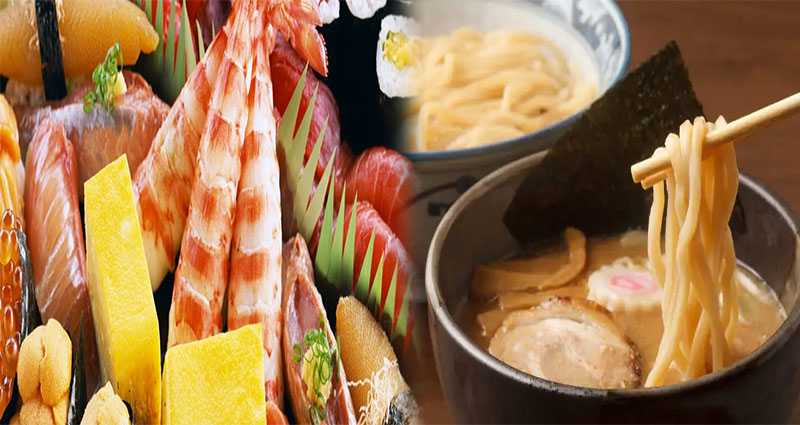
  • Nigiri Toppings: From fresh slices of raw fish (sashimi) such as tuna (maguro), salmon (sake), and yellowtail (hamachi) to cooked toppings like shrimp (ebi) and egg omelette (tamago), the variety of nigiri toppings showcases the diversity of flavors and textures in sushi.

2. Tempura – Light and Crispy Fried Delicacy

Ingredients:

  • Tempura Batter: Made from a mixture of cold water, flour,
Read More ...
Traditional Japanese Food: Facts and Customs

Japanese cuisine, known for its delicate flavors, fresh ingredients, and meticulous preparation, is a significant aspect of Japanese culture. From sushi to ramen, traditional Japanese food offers a diverse array of dishes that reflect the country’s rich culinary heritage. Let’s explore some fascinating facts and customs surrounding traditional Japanese food.

1. Umami – The Fifth Taste

Japanese cuisine is renowned for its umami flavor, often referred to as the fifth taste alongside sweet, sour, salty, and bitter. Umami, which translates to “pleasant savory taste” in Japanese, is found in ingredients such as kombu seaweed, miso, and bonito flakes. The mastery of balancing umami is a fundamental principle in Japanese cooking, contributing to the depth and complexity of flavors in dishes.

2. Kaiseki – The Art of Japanese Cuisine

Kaiseki is a traditional multi-course dining experience that showcases the seasonality of ingredients, culinary techniques, and artistic presentation of dishes. Rooted in … Read More ...