
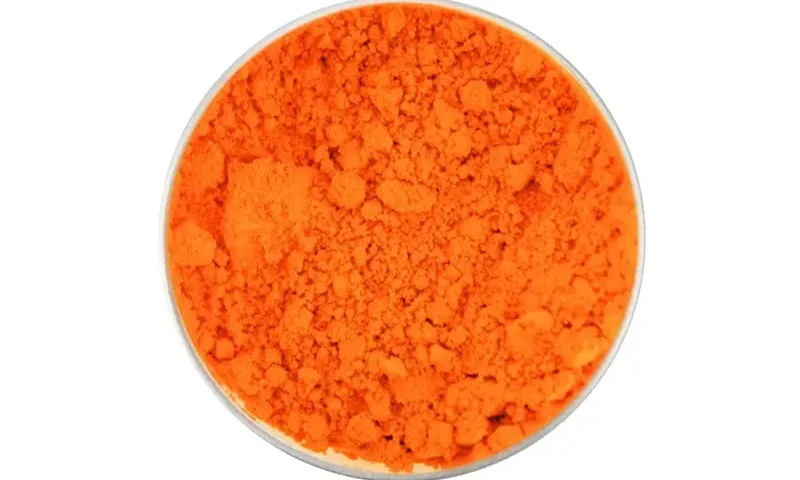
Food companies are now spending extra time testing plant-based dyes before publicly launching packaged products. Customers are quick to notice factor labels at some stage in their purchase, as cleaner formulas feel more true these days. The natural orange food shade usually comes clearly from paprika, carrot lita, annatto, or turmeric-based extracts. Different sources create slightly different shades depending on processing conditions and ingredient strength levels. Many snack brands prefer softer tones now because extremely bright, synthetic-looking colors often raise unnecessary concerns among regular buyers today.
Production temperatures can affect color stability during manufacturing
Heat setting takes natural pigments earlier than many companies begin and all through industrial food processing programs. Some colors fade throughout the firing process, while others react differently within the acidic drink formula afterwards. Organic food coloring often require careful handling, as storage conditions significantly affect overall performance over the years. Manufacturers repeatedly inspect batches before final approval because visual consistency is strongly an issue for retail products. Even minor color changes may affect customer perception during competitive shelf comparisons across supermarkets and convenience stores regularly.
Beverage Brands Continue Exploring Softer, Natural-Looking Tones
Artificially looking drinks no longer attract every consumer group like in previous decades before ingredient awareness expanded rapidly. Juice companies and flavored water producers now prefer ingredients creating more realistic fruit-inspired shades overall. Natural orange food color appears frequently inside vitamin drinks, sports beverages, flavored syrups, and sparkling refreshments today. Some formulas combine multiple extracts together for better balance during long shelf storage periods. Stability studies will be necessary due to the fact that the appearance of mild risk adjustment continues to be intrinsically transparent in bottles subjected to retail lighting conditions.
Ingredient Transparency Is Influencing Packaging Decisions More Frequently
Shorter sidebars create a more powerful impression because people associate simplicity with high quality of a good product now and again. Many food startups immediately highlight herbal ingredients on the front of the packaging to immediately attract wary shoppers. Organic foods paint support for this technology, as certified organic labels already carry strong market popularity globally. Restaurants and bakery chains are additionally talking about getting ingredients extra bashfully during advertising campaigns currently. After online discussions raised the attention of synthetic ingredients and synthetic preservatives almost everywhere, customer expectations changed quickly.
Powder and liquid formats work differently inside food applications.
Manufacturers select component designs based on business strategy, texture requirements, and inventory limits all through production planning. Powder paints often provide easier transport, although the moisture concentration simplifies mixing in high-volume manufacturing operations. The natural orange color behaves differently from time to time among dairy products, baked goods, frozen cakes, and dried spice blends. Research teams carefully compare compatibility before selecting elements for later commercial operations. Small formulation adjustments often improve final appearance without increasing unnecessary production complexity afterward.
Market Demand Keeps Expanding Across Smaller Food Businesses Too
Large corporations are not the only companies exploring naturally sourced ingredient alternatives anymore these days. Smaller brands also invest in cleaner labels because online customers compare ingredients very carefully before purchasing products. Organic food coloring continues gaining attention from specialty bakeries, organic snack companies, and premium beverage manufacturers regularly. Ingredient suppliers now provide a comprehensive selection as the call for facts increased steadily recently across global food markets. Availability improvements help businesses experiment with different shades without relying entirely on synthetic alternatives anymore.
Conclusion
Natural ingredient discussions continue growing because shoppers pay attention to labels much more than before. foodrgb.com provides useful information for businesses searching for practical options related to cleaner food coloring solutions today. Choosing plant-based shades often helps brands create products matching modern customer expectations without overly artificial appearances. Natural orange food color and organic food coloring both remain important topics because food presentation still strongly influences purchasing behavior everywhere. Companies planning future product development should evaluate ingredient stability, sourcing quality, and formulation compatibility carefully before scaling production commercially.

