
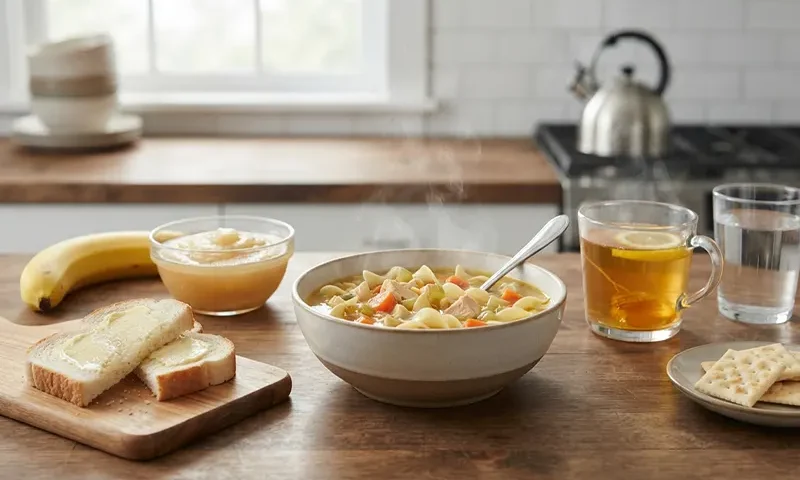
Comforting Foods to Eat When Sick with a Cold or Flu

When a cold or influenza strikes, your body enters a state of intense metabolic warfare. Elevated temperatures, systemic inflammation, and constant coughing drain your energy reserves, leaving you exhausted and craving relief. While cooking is likely the last thing you want to do, supplying your body with the right fuel is critical for shortening your illness. Choosing the best comforting foods to eat when sick with a cold or flu helps soothe your respiratory tract, bolster your immune defenses, and accelerate your recovery.

The Immunology of Illness

To understand why certain foods provide genuine healing rather than mere comfort, you must look at how your immune system responds to viral pathogens. When a virus invades your upper respiratory tract, your immune system dispatches white blood cells, cytokines, and antibodies to destroy the invader.

This inflammatory cascade triggers a fever, which temporarily ramps up your metabolic rate and increases your caloric … Read More ...

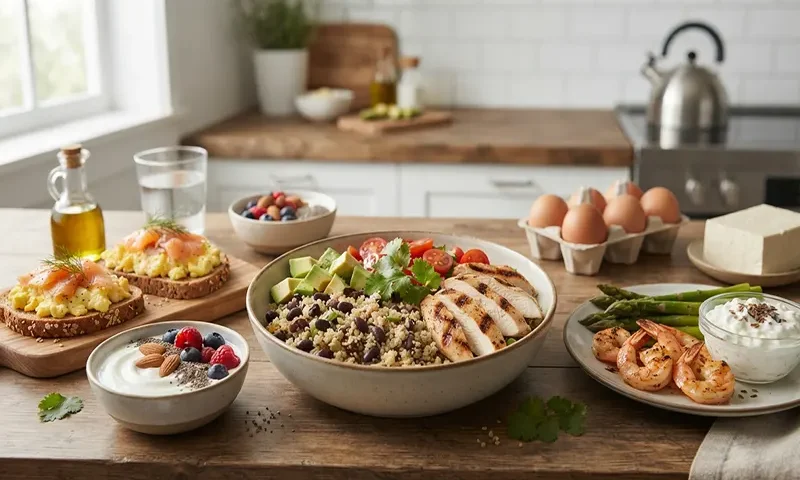
Best High-Protein Food to Eat to Lose Weight Fast

Shedding unwanted pounds quickly while preserving your hard-earned muscle mass requires more than simply slashing calories. Crash diets often backfire by crushing your metabolism and triggering relentless hunger, leading to rebound weight gain. The secret to sustainable body composition transformation lies in metabolic leverage. Incorporating the best high-protein food to eat to lose weight fast into your daily routine transforms how your body burns energy, regulates appetite, and mobilizes stored fat.

The Thermic Effect and Weight Loss

To understand why protein is the undisputed king of macronutrients for fat loss, you must look at the science of energy expenditure. Every food you consume requires energy to chew, digest, transport, and metabolize—a phenomenon known as the thermic effect of food (TEF) or diet-induced thermogenesis.

Carbohydrates require roughly 5% to 15% of their ingested calories just to be processed, and dietary fats demand a mere 0% to 3%. Protein, however, boasts a … Read More ...