
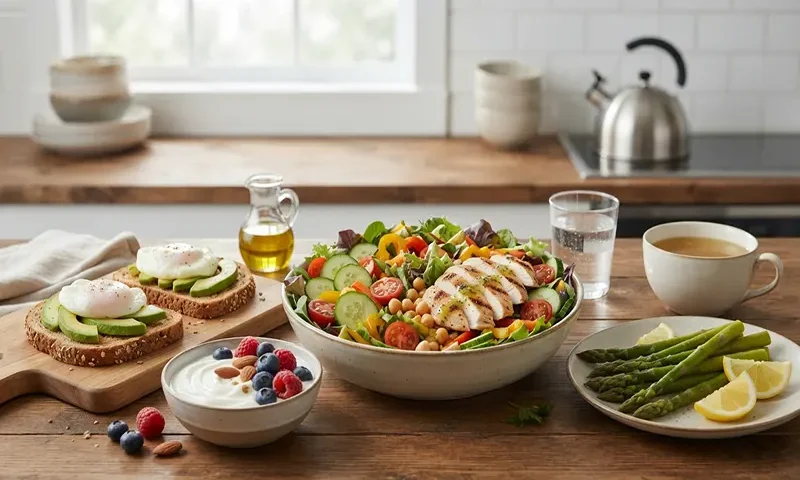
The single biggest reason diets fail is not a lack of willpower; it is relentless, gnawing hunger. When you slash your caloric intake, your body fights back by spiking ghrelin and screaming for food, turning weight loss into a battle of attrition. The secret to breaking this cycle is not eating less food—it is eating more of the right food. Mastering low-calorie dense food to eat to lose weight without feeling hungry allows you to fill your stomach completely while staying in a steep caloric deficit.
The Science of Volumetric Eating
To understand why some foods help you drop pounds effortlessly while others leave you raiding the pantry, you have to look at calorie density. Calorie density is the number of calories packed into a given weight or volume of food.
For instance, one cup of potato chips contains roughly 150 calories and occupies very little physical space in your stomach. Conversely, an entire pound of steamed broccoli contains roughly the same number of calories but fills a massive volume.
When you practice volumetric eating for weight loss, you leverage human biology. Your stomach wall is lined with mechanoreceptors—stretch-sensitive nerve endings that detect physical distension. When these receptors are stretched by food volume, they fire signals via the vagus nerve directly to your brain’s hypothalamus, declaring that you are full and satisfied, regardless of whether those calories totaled 100 or 500.
The Physiology of Satiety
Physical fullness is only half the battle. True satiety requires managing your hormonal landscape.
High-volume foods are almost universally rich in water and dietary fiber. Water adds heavy physical mass without adding a single calorie, while fiber slows down digestion, prolongs gastric emptying, and blunts insulin spikes. This combination keeps blood sugar stable, prevents energy crashes, and actively suppresses the hunger hormone ghrelin. Utilizing high-volume low-calorie foods allows you to experience weight loss without hunger by working with your biology instead of fighting it.
Top Low-Calorie Density Foods for Fat Loss
Building a fat-loss menu that satisfies your appetite requires stocking your kitchen with foods that offer maximum physical mass for minimal caloric investment.
1. Water- and Fiber-Rich Vegetables
Vegetables are the absolute undisputed champions of calorie density, allowing you to consume massive portions with virtually zero impact on your daily calorie budget.
- Leafy Greens (Spinach, Kale, Arugula): You can eat an entire mixing bowl of baby spinach for fewer than 30 calories. They provide bulk, micronutrients, and fiber.
- Cruciferous Vegetables (Broccoli, Cauliflower, Cabbage): Dense, fibrous, and filling. Roasting or steaming them breaks down tough cell walls while maintaining their physical crunch and volume.
- High-Water Cucumbers and Zucchini: Composed of over 95% water, these vegetables provide crisp hydration and stomach-stretching volume. Zucchini can even be spiralized into noodles to replace heavy pasta.
2. High-Volume, Low-Sugar Fruits
Fruits deliver natural sweetness, cellular hydration, and powerful antioxidants without spiking your daily energy intake.
- Berries (Strawberries, Raspberries, Blackberries): Packed with soluble fiber and water, berries offer incredible sweetness and volume for very few calories.
- Watermelon and Cantaloupe: True to their name, melons are massive water delivery systems that hydrate your body and fill your stomach instantly.
- Grapefruit: Contains specific bioactive compounds that support metabolic health while providing heavy, filling physical segments.
3. Lean Proteins and Broth Bases
Protein triggers satiety hormones like PYY and CCK, making it a crucial partner to volumetric vegetables.
- Egg Whites: Pure albumin protein that lets you cook voluminous, fluffy scrambles without extra fats.
- White Fish and Shrimp: Incredibly lean seafood that provides heavy grams of protein for minimal calories.
- Vegetable and Bone Broths: Sipping warm broth before a meal pre-fills the stomach with fluid, reducing the total volume of food you consume afterward.
4. Smart Volume Boosters
- Konjac (Shirataki) Noodles: Made from the konjac yam, these noodles consist almost entirely of water and glucomannan fiber, offering zero-calorie pasta substitutes that expand in the stomach.
- Chia Seeds (When Soaked): Absorbing up to ten times their weight in water, soaked chia seeds create a dense, gelatinous pudding that keeps hunger at bay for hours.
Practical Meal Structuring
Transforming your physique requires changing how you plate your meals. Instead of shrinking your favorite foods, change the proportions using the volumetric rule.
Golden Rule of Plate Architecture: Double your vegetable portion size before touching your proteins or starches. Fill at least half your plate with non-starchy, high-volume produce at every meal.
- Breakfast: A massive three-egg-white and one-whole-egg scramble folded with two cups of baby spinach and mushrooms, served with a side of fresh berries.
- Lunch: A giant volumetric salad featuring a base of mixed greens, chopped cucumbers, shredded cabbage, and grilled chicken breast, tossed with a light vinegar dressing.
- Dinner: Baked white fish served over a mountain of steamed broccoli and riced cauliflower, drizzled with lemon and herbs.
Pitfalls to Avoid
When attempting volumetric eating, dieters sometimes fall into traps that stall progress. Avoid relying on ultra-processed “diet” foods labeled as low-calorie, as they are often stripped of fiber and water, leaving you starving an hour later. Furthermore, do not make the mistake of dropping dietary fats to absolute zero; a small amount of healthy fat is necessary for hormone regulation and nutrient absorption.
By anchoring your diet in foods that fill you up without adding calories, you permanently eliminate the misery of dieting. Volumetric eating proves that sustainable fat loss is not about starvation—it is about choosing the right foods to satisfy your appetite completely.

