
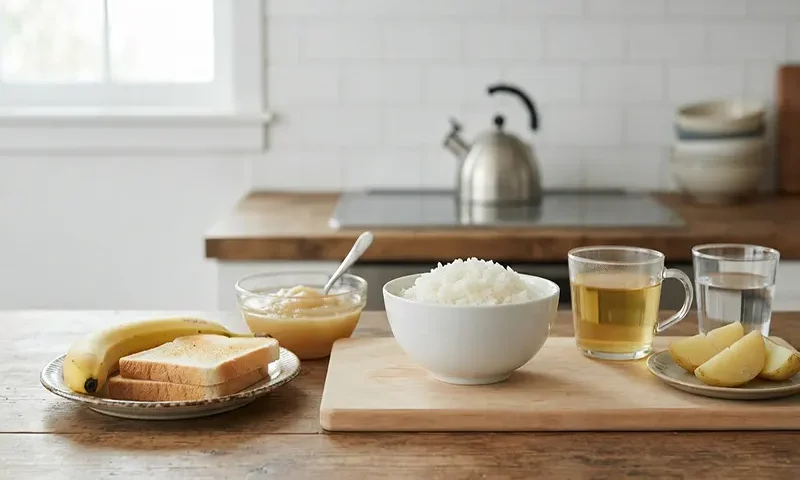
Experiencing acute gastrointestinal distress is an exhausting ordeal that leaves your digestive system vulnerable and inflamed. When a stomach bug, food poisoning, or medication disrupts your gut, your primary goal is to minimize further irritation while giving your body the space to repair itself. Choosing the right bland food options for diarrhea is essential for calming gut motility, restoring fluid balance, and accelerating your overall recovery.
The Physiology of Gastrointestinal Irritation
To understand why a temporary dietary pivot is necessary, consider how your digestive tract reacts to illness. When an infection or toxin irritates the gastrointestinal tract, the mucosal lining becomes inflamed. In response, your body accelerates peristalsis—the wave-like muscle contractions that move food along—to purge the irritant.
This rapid transit leaves your colon with virtually no time to absorb water, electrolytes, and nutrients, resulting in watery stools and painful cramping. Introducing heavy, high-fiber, or chemically complex foods during this phase forces an overactive digestive system to work overtime, worsening inflammation and prolonging discomfort. Simplifying your intake with easy to digest foods for diarrhea protects your gut lining from mechanical and chemical stress.
The Science of Bland Diets
In a clinical context, a “bland” diet does not mean unflavored or boring; rather, it refers to foods that are chemically and mechanically non-irritating. True bland foods share specific physiological characteristics:
- Low Residue and Low Fiber: Soluble and insoluble fibers add bulk and stimulate bowel movements. A bland diet minimizes fiber to slow transit time and let the bowel rest.
- Low Fat: Dietary fats delay gastric emptying and can trigger intestinal spasms or osmotic shifts that worsen diarrhea.
- Neutral pH and Mild Seasoning: Avoiding acidic, spicy, or pungent compounds prevents chemical burning on raw, inflamed mucosal tissue.
By keeping the chemical structure of your meals simple, you prevent osmotic diarrhea and reduce excessive gas production, creating an optimal environment for gut healing.
Comprehensive Categories of Bland Food Options
Navigating what to eat with an upset stomach becomes much easier when you categorize safe choices by their biochemical properties and ease of breakdown.
1. Refined Grains and Starches
These foods provide easily accessible glucose for energy without demanding intense enzymatic breakdown from your pancreas and small intestine.
- White Rice: Highly absorbent, binding, and completely devoid of irritating outer husks.
- Plain White Toast: Offers simple carbohydrates without the heavy oils, seeds, or coarse fibers found in whole-grain artisan breads.
- Saltine Crackers: Provide baseline sodium and simple starches that help settle morning nausea and bind loose fluids.
- Boiled White Potatoes: Stripped of their skins, boiled potatoes offer potassium and gentle starch that is exceptionally well-tolerated.
- Cream of Wheat or Grits: Smooth, warm, and comforting porridges prepared with water or plain plant milk.
2. Gentle Proteins
As your appetite returns, your body requires amino acids to repair damaged intestinal tissue, but heavy meats will stall digestion.
- Skinless, Boiled Chicken Breast: Lean, tender, and free of heavy fats that trigger gastrointestinal distress.
- Soft-Cooked Eggs: Scrambled or soft-boiled with minimal or no oil, providing high biological value protein that is easy to assimilate.
- Clear Bone Broth: Supplies amino acids like glutamine—which supports intestinal barrier repair—alongside vital sodium.
3. Soothing Fruits and Vegetables
While raw produce is off-limits, certain cooked or soft fruits offer gentle micronutrients.
- Ripe Bananas: Packed with potassium and soft soluble fiber to help firm up stool consistency.
- Smooth Applesauce: Rich in natural pectin, which slows down intestinal transit.
- Well-Cooked, Peeled Carrots: Steamed or boiled until completely fork-tender, providing safe vitamin A without roughage.
4. Hydrating Fluids
Golden Rule of Preparation: Always prepare your bland foods simply—boil, poach, or steam them without butter, heavy oils, garlic, onions, or hot spices.
- Water, diluted electrolyte beverages, and coconut water.
- Warm, clear herbal teas such as chamomile or peppermint to soothe smooth muscle spasms in the gut.
Foods to Strictly Avoid on a Bland Diet
While incorporating safe options is vital, accidentally consuming a hidden trigger can instantly reverse your progress. Completely avoid the following items during your bland diet for stomach recovery:
- Dairy Products: Temporary lactase deficiency is extremely common after gastrointestinal illness. Consuming milk, cheese, or ice cream often causes bloating, gas, and worsening diarrhea.
- High-Fat and Fried Foods: Greasy foods accelerate gut motility and can trigger painful cramping.
- Raw Vegetables and Cruciferous Produce: Broccoli, cabbage, cauliflower, and raw salads contain complex structural carbohydrates that require rigorous bacterial fermentation, leading to gas and distress.
- Caffeine and Alcohol: Both act as potent gut stimulants and diuretics that exacerbate dehydration and electrolyte loss.
- Artificial Sweeteners: Sorbitol, mannitol, and xylitol exert an osmotic pull in the colon, drawing water in and triggering laxative effects.
Transitioning Back to a Normal Diet
A bland diet is designed as a temporary bridge, not a permanent lifestyle. Sticking to highly restricted foods for too long can lead to unintended nutrient deficiencies and sluggish gut function.
As your bowel movements firm up and your energy returns over a period of 3 to 5 days, begin a gradual transition back to your normal eating pattern. Reintroduce fiber and healthy fats slowly—perhaps adding a small handful of berries to your morning oats or incorporating a small portion of avocado into your lunch. Listen closely to your body’s signals; if bloating or loose stools return, scale back for another 24 hours. By honoring your gut’s need for simplicity, you pave the way for a swift, complete return to vibrant health.

