
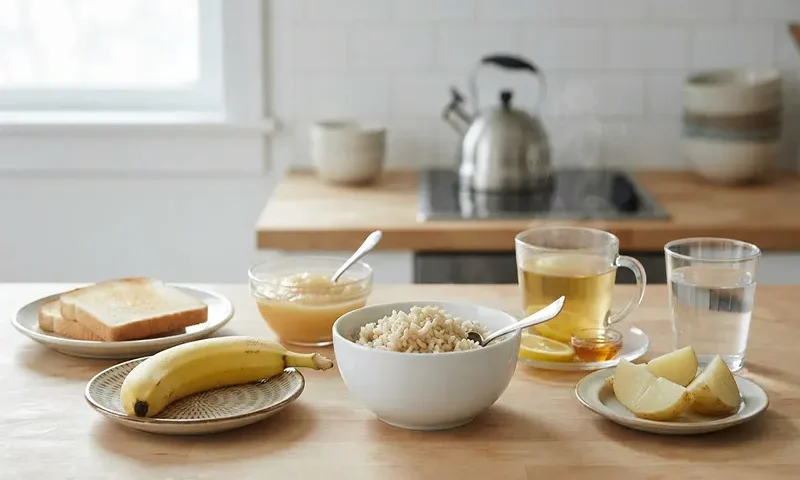
Acute gastrointestinal illness can leave you feeling profoundly weak, dizzy, and drained of energy. When a stomach bug or food poisoning strikes, the physical toll is rarely limited to simple digestive distress; it sets off a systemic crisis. Knowing what food to eat with diarrhea to stay hydrated and strong is essential for protecting your cellular fluid balance, preventing dangerous complications, and preserving your physical strength while your gut heals.
The Dual Crisis of Diarrhea
When you experience acute diarrhea, your body is thrust into a dual emergency that threatens both hydration and muscular integrity:
- Rapid Fluid and Electrolyte Depletion: As food and fluids rush through an inflamed colon too quickly, your body loses massive amounts of water alongside vital minerals like sodium, potassium, and magnesium. This triggers dehydration, plunging blood pressure, lightheadedness, and extreme fatigue.
- Nutrient Malabsorption and Catabolism: Because your digestive tract cannot properly absorb macronutrients, your body is starved of fuel. If you fast indefinitely out of fear of eating, your body begins breaking down lean muscle tissue for energy, leading to severe physical weakness.
Overcoming this illness requires a dual-pronged dietary strategy that replenishes lost fluids at the cellular level while supplying gentle, highly bioavailable nourishment.
The Science of Cellular Hydration
A common mistake during severe gastrointestinal distress is chugging massive quantities of plain water. While hydration is critical, chugging plain water when your electrolyte levels are severely depleted can actually dilute your bloodstream further, worsening symptoms and risking hyponatremia.
True cellular rehydration relies on precise biochemistry. The small intestine contains transport proteins called sodium-glucose cotransporters. When you consume water paired with precise ratios of sodium and glucose (or starches that break down into glucose), these transporters pull water and minerals directly through the intestinal wall and into your bloodstream with remarkable efficiency. This is why electrolytes and food for diarrhea recovery must be managed simultaneously.
Top Foods and Fluids for Hydration and Strength
Building a recovery menu requires prioritizing high-water foods, electrolyte sources, and gentle, tissue-repairing proteins.
1. Advanced Hydration Fluids
Fluids must form the foundation of your recovery during the first 24 to 48 hours.
- Oral Rehydration Solutions (ORS): The gold standard formulated by the World Health Organization, delivering exact ratios of salts and glucose to maximize fluid absorption.
- Coconut Water: A natural source of potassium and magnesium with high fluid content, making it an excellent alternative to commercial sports drinks.
- Homemade Chicken or Bone Broth: Supplies vital sodium to retain fluids, alongside warm, comforting hydration.
2. Hydrating and Binding Solids
Once fluids are tolerated, introduce soft, water-dense, and starch-rich foods to maintain energy.
- Ripe Bananas: Packed with water, natural carbohydrates, and massive amounts of potassium to restore lost cellular minerals.
- Watermelon and Honeydew Melon: Exceptionally high in water content and easy on an inflamed stomach, providing refreshing hydration and simple sugars.
- Boiled White Potatoes (Skinless) and White Rice: Deliver clean, easily digestible starches that provide sustained energy and help firm up stool consistency.
3. Gentle Proteins to Prevent Weakness
To combat exhaustion and prevent muscle catabolism, you must incorporate easily assimilated proteins.
- Poached Skinless Chicken Breast: Shredded finely, chicken provides essential amino acids without burdening a compromised digestive tract.
- Soft-Scrambled Eggs: Prepared with minimal oil, eggs offer complete biological proteins that require very little enzymatic effort to absorb.
Foods and Additives to Strictly Avoid
While focusing on supportive nutrition is vital, consuming the wrong substances can drastically worsen fluid loss and prolong your illness. Completely avoid the following during your recovery:
- High-Sugar Beverages and Fruit Juices: Highly concentrated fruit juices or sugary sodas exert an osmotic pull in the colon, drawing even more water into your intestines and worsening diarrhea.
- Dairy Products: Temporary lactase deficiency is extremely common after a stomach bug, making milk, cheese, and cream likely to trigger bloating and cramping.
- Caffeine and Alcohol: Both act as potent diuretics that accelerate dehydration and stimulate gut motility.
- Artificial Sweeteners: Sorbitol, mannitol, and xylitol have natural laxative properties that can severely aggravate loose stools.
The Progressive Recovery Action Plan
Golden Rule of Fluid-Food Pairing: Never force heavy solids when acute fluid loss is peaking. Sip electrolyte fluids consistently throughout the day, and only introduce solid binding foods as bowel movements begin to slow.
Navigating eating with diarrhea to maintain energy is a step-by-step process spanning three to five days:
- Phase 1 (Hours 1–24): Focus entirely on ORS, clear broths, and diluted coconut water. Introduce small sips frequently rather than chugging large volumes.
- Phase 2 (Hours 24–48): As cramping subsides, introduce binding, low-fiber solids like plain white rice, saltine crackers, bananas, and applesauce.
- Phase 3 (Days 3–5): Reintroduce gentle proteins like soft eggs and shredded chicken, alongside well-cooked root vegetables. Gradually transition back to your normal, fiber-rich diet as strength and stool consistency return.
By prioritizing targeted hydration and strategic, gentle nutrition, you protect your body against preventing dehydration with diet pitfalls, preserve your physical strength, and ensure a smooth, complete return to health.

