
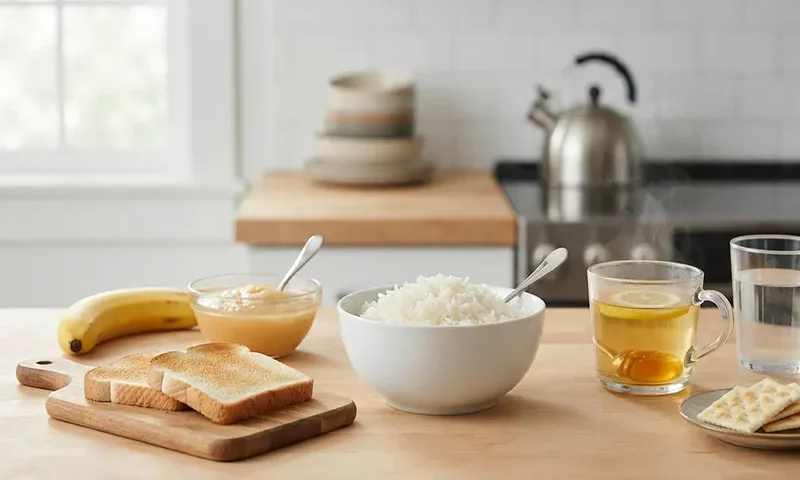
A sudden stomach bug accompanied by relentless nausea can make even the thought of food feel entirely repulsive. When a viral infection strikes your gastrointestinal tract, every system goes into self-preservation mode, leaving you feeling profoundly weak and depleted. However, navigating this vulnerable window requires careful nutritional care. Knowing the best food to eat when sick with nausea and stomach bug helps you calm an inflamed digestive lining, halt violent spasms, prevent severe dehydration, and safely rebuild your strength.
The Physiology of the Stomach Bug
To understand why your stomach rebels against food during a bug, you have to look at the neurological mechanics of illness. When viral pathogens like norovirus or rotavirus attack your GI tract, they trigger acute inflammation in the gastric mucosa.
This irritation sends distress signals directly to the chemoreceptor trigger zone in your brain’s medulla—commonly known as the emetic center—which commands your body to initiate vomiting and stop gastric motility entirely. Your stomach essentially freezes digestion to prevent further irritation. Forcing heavy or complex meals into a paralyzed, inflamed system triggers immediate rejection. True recovery requires working with your biology by utilizing gentle foods for viral gastroenteritis that require zero digestive effort.
The Science of Gentle Rehydration and Rest
The primary danger of a stomach bug is not a lack of food; it is rapid fluid and electrolyte loss. Vomiting and diarrhea strip your body of vital minerals like sodium and potassium, risking dangerous dehydration.
However, chugging large volumes of water will stretch an irritated stomach wall and trigger another wave of nausea. True recovery relies on the medical principle of gastric rest combined with targeted micro-hydration. Sipping precise electrolyte solutions in tablespoon-sized increments allows your cells to absorb moisture without overloading your stomach’s capacity.
Top Foods and Fluids for Nausea Recovery
As acute vomiting subsides and your stomach begins to tolerate small amounts of fluid, you can gradually introduce bland, low-residue foods.
1. Advanced Hydration and Nausea-Suppressing Elixirs
Fluids must always precede solids when recovering from a stomach bug.
- Oral Rehydration Solutions (ORS): The gold standard for restoring cellular fluid balance and preventing hospital-grade dehydration.
- Warm Ginger Tea: Ginger contains active bio-compounds called gingerols, which possess proven anti-emetic properties that directly soothe the stomach’s smooth muscle tissue and suppress the vomiting reflex.
- Clear Chicken or Vegetable Broth: Supplies gentle sodium to retain fluids and provides comforting warmth without taxing the gut.
2. The Evolution of the BRAT Diet
While modern clinical nutrition encourages a slightly broader range of foods than the traditional strict BRAT diet, its core components remain elite tools for binding loose stools and calming the stomach.
- Plain White Rice: Incredibly low in fiber, white rice offers clean, easily assimilable carbohydrates that require virtually no enzymatic breakdown.
- Unsweetened Applesauce: Provides gentle pectin, which helps firm up stool consistency while offering soothing, easily digestible carbohydrates.
- Mashed Ripe Bananas: Gentle on the stomach lining and exceptionally rich in potassium to restore lost electrolytes.
- Plain Toasted White Bread or Saltine Crackers: Absorbs excess stomach acid and provides a dry, neutral base that settles easily.
3. Gentle Proteins for Strength
Once your stomach has successfully retained bland starches for 24 hours, introduce clean proteins to combat fatigue.
- Soft-Scrambled Eggs: Prepared without heavy butter or oils, soft eggs provide high-quality amino acids that repair tissue without triggering digestive distress.
Behavioral Protocols for Ingesting Food
How you eat when nauseous is just as important as what you eat. Adopting strict behavioral parameters prevents accidental relapse.
Golden Rule of Micro-Feeding: Abandon standard meal sizes entirely. Consume exactly one tablespoon of liquid or food every 15 to 30 minutes. This prevents gastric distension and keeps your nausea-triggering mechanoreceptors quiet.
- Mind the Temperature: Serve foods and liquids at room temperature or slightly cool rather than piping hot. Steam carries intense food aromas that can instantly trigger a wave of nausea when your senses are hyper-sensitive.
- Ditch the Straw: Drinking through a straw introduces excess air into your stomach, leading to painful bloating, gas, and cramping. Sip directly from the edge of a glass or spoon.
Triggers to Strictly Avoid
Consuming the wrong items while recovering from a stomach bug will immediately restart the cycle of vomiting and cramping. Completely avoid the following until your gut is fully healed:
- Greasy and Fried Foods: High-fat items delay gastric emptying, forcing your already exhausted stomach to work twice as hard.
- Dairy Products: Temporary lactase deficiency is common after a stomach bug; milk and cheese will often trigger severe cramping and gas.
- High-Sugar Sweets: Sugary sodas and candies create an osmotic pull in the intestines, worsening diarrhea.
- Caffeine and Alcohol: Both stimulate gut motility and exacerbate dehydration.
By prioritizing what to eat with a stomach bug and nausea, you take control of your recovery. Utilizing these recovering from a stomach bug nutritionally strategies ensures you soothe your digestive tract, master how to stop nausea with diet, and safely return to full health.

