
If you have hit a wall in your weight loss journey—especially when trying to trim stubborn midsection weight—the missing link is rarely another restrictive diet. More often than not, it is a severe deficiency in dietary fiber. Adopting the right best fiber-rich food to eat to lose weight and burn belly fat transforms your metabolic health, balances your hunger hormones, and targets deep visceral adipose tissue from the inside out.
The Visceral Fat Crisis
Not all body fat is created equal. While subcutaneous fat sits just beneath the skin, visceral fat wraps itself deep within your abdominal cavity, surrounding vital organs like your liver, pancreas, and intestines.
Visceral fat is metabolically active endocrine tissue. It pumps out inflammatory cytokines and free fatty acids directly into your portal vein, driving systemic inflammation, insulin resistance, and metabolic syndrome. Standard caloric restriction often fails to target this specific fat depot efficiently. To specifically melt visceral fat, you must alter your metabolic environment through targeted nutrition, making soluble fiber for fat loss an absolute non-negotiable tool.
The Endocrinology of Dietary Fiber
How does a humble plant molecule hold the key to stubborn belly fat reduction? The magic lies in your gut microbiome and endocrine response.
Dietary fiber is categorized into two primary forms: soluble and insoluble. Soluble viscous fiber dissolves in water to form a thick, gel-like matrix in your small intestine. This gel physically traps sugars and fats, slowing down their digestion and absorption. This prevents the sharp insulin spikes that signal your body to store excess glucose directly as visceral fat.
Furthermore, when insoluble and prebiotic fibers reach your colon undigested, your beneficial gut bacteria ferment them into short-chain fatty acids (SCFAs) like acetate, propionate, and butyrate. These SCFAs travel to your liver and fat tissue, where they suppress appetite hormones, enhance fat oxidation, and improve insulin sensitivity. This deep biological link between gut health and belly fat reduction explains why high-fiber diets consistently outperform low-fat diets in long-term clinical trials.
Top Fiber-Rich Foods for Belly Fat Reduction
Stocking your kitchen with the right plant-based powerhouses guarantees a steady supply of both soluble viscosity and prebiotic bulk.
1. Soluble Viscous Powerhouses
These foods form internal gels that stabilize blood sugar and block visceral fat accumulation.
- Chia Seeds and Flaxseeds: Packed with soluble mucilage, a tablespoon of chia seeds absorbs liquid instantly, creating a filling matrix that blunts insulin responses.
- Legumes (Lentils, Black Beans, Chickpeas): An elite combination of slow-burning complex carbohydrates, dense plant protein, and massive amounts of soluble fiber.
- Oats and Barley: Rich in beta-glucan, a specialized soluble fiber clinically proven to lower visceral cholesterol and enhance satiety.
2. Cellular Volume Champions (Insoluble & Mixed Fiber)
These choices provide structural bulk that stretches stomach mechanoreceptors while keeping calories minimal.
- Cruciferous Vegetables (Broccoli, Brussels Sprouts, Cabbage): High in fiber and sulfur-containing compounds that support liver detoxification pathways necessary for fat metabolism.
- Avocados: While technically a fruit, avocados deliver a rare, powerful dual-punch of heavy dietary fiber alongside monounsaturated oleic acid, which helps reduce abdominal fat distribution.
3. Prebiotic Superstars
- Garlic, Onions, and Jerusalem Artichokes: Rich in inulin and fructooligosaccharides, these prebiotics actively feed lean gut bacteria, shifting your microbiome ratio away from obesity-linked phenotypes.
Actionable Meal Architecture
Scaling up your fiber intake requires a deliberate approach to avoid overwhelming your digestive tract with sudden gas and bloating.
Golden Rule of Fiber Scaling: Increase your daily fiber intake in increments of 5 grams per week while simultaneously scaling up your daily water consumption to prevent cramping and constipation.
- Breakfast: A warm bowl of rolled oats stirred with a tablespoon of chia seeds, topped with fresh raspberries and cinnamon.
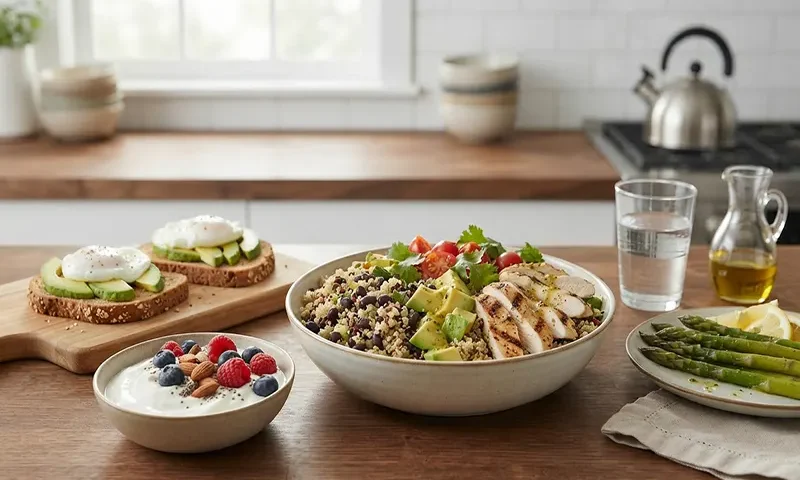
- Lunch: A vibrant grain bowl featuring a base of leafy greens, half a cup of black beans, grilled chicken, diced cucumbers, and a generous scoop of homemade guacamole.
- Dinner: Baked salmon served alongside a massive portion of roasted Brussels sprouts and a side of nutrient-dense lentils.
Common Fiber Mistakes to Avoid
When attempting to leverage top high-fiber foods for weight loss, dieters often stumble into avoidable traps. Never abruptly double your fiber intake overnight without drastically increasing your water intake, as dry fiber will cause painful intestinal blockages. Furthermore, avoid processed “high-fiber” protein bars loaded with artificial sugar alcohols and synthetic chicory root isolates, which frequently trigger severe bloating and GI distress.
By prioritizing how fiber helps lose visceral fat, you stop fighting your biology and start working with it. Integrating these nutrient-dense plant foods allows you to conquer hunger, repair your metabolic health, and achieve sustainable body composition changes.

