
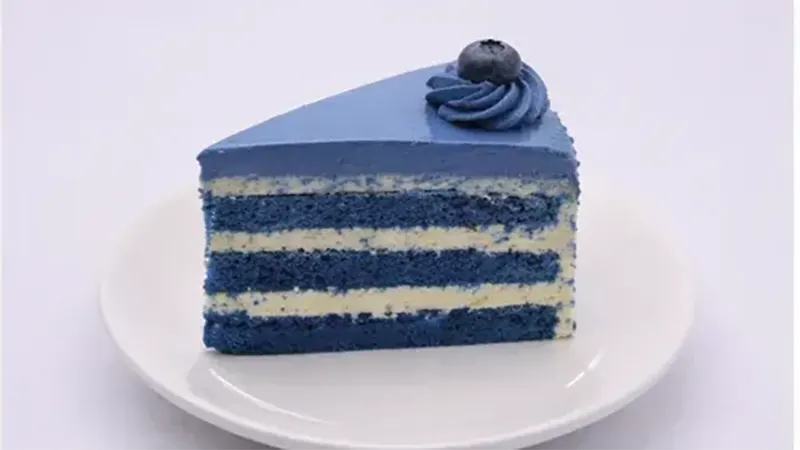
Why Blue Is the Hardest Color to Put on a Plate?
Walk through a farmers’ market and count the blue foods. Blueberries, maybe, and those turn closer to purple once you slice them. Little else comes to mind. Nature rarely makes a steady blue pigment, which is why food teams look so carefully at options such as gardenia blue when a recipe needs a true sky shade.
Nature Barely Uses Blue
Most blue in the natural world comes from physical structure, such as the way light scatters in a feather, or from pigments that only look blue under certain conditions. Anthocyanins, for example, swing from red to purple to blue as acidity changes. Holding one steady at a single shade is a job in itself, and a hard one.
That scarcity is why blue sweets and drinks leaned on synthetic dyes for so long. Replacing them is not a matter of picking the closest plant. It takes a source that survives … Read More ...
