
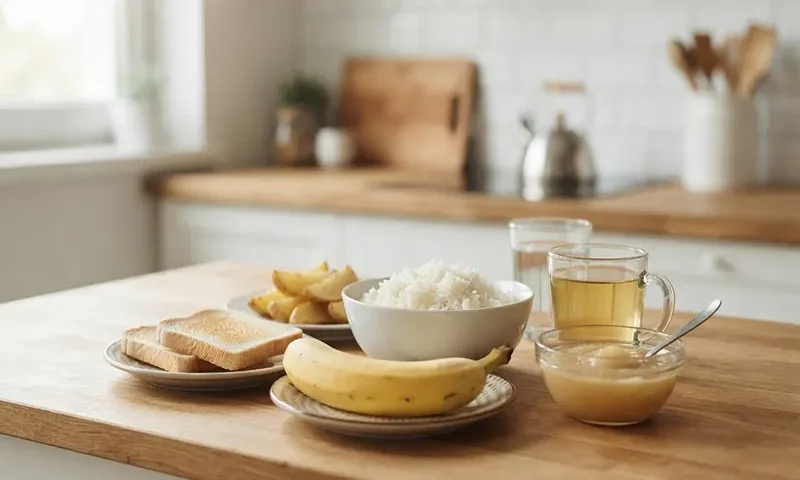
Gastrointestinal distress can leave you feeling drained, weak, and desperately searching for relief. Whether you are recovering from a stomach bug, food poisoning, or a medication side effect, your digestive tract requires specialized care to heal. Knowing the best food to eat with diarrhea is essential for calming gut inflammation, restoring lost electrolytes, and accelerating your overall stomach recovery diet.
The Science of Gastrointestinal Recovery
When acute diarrhea strikes, your intestinal lining undergoes a period of inflammation and accelerated motility. Food moves through the digestive tract too quickly for the colon to efficiently absorb water and electrolytes, leading to watery stools and rapid mineral depletion.
Consuming the right foods helps soothe the inflamed mucosal lining, slows down intestinal transit time, and supplies easily absorbable macronutrients. Instead of overwhelming a sensitive digestive system with heavy meals, a structured recovery approach provides gentle fuel while your gut repairs itself.
The BRAT Diet and Beyond
For decades, the BRAT diet foods (Bananas, Rice, Applesauce, and Toast) have been the gold standard recommendation for upset stomachs. These foods share common traits: they are bland, low in fiber, binding, and gentle on the stomach.
- Bananas: Rich in potassium, which is frequently lost during bouts of diarrhea. They are easily digestible and provide soluble fiber (pectin) that helps firm up stool.
- White Rice: Provides quick, easily digestible carbohydrates for energy without irritating the intestinal wall.
- Applesauce: High in pectin to slow digestion, with a soft texture that requires minimal effort from the gastrointestinal tract.
- Toast: Plain white toast offers easily processed carbohydrates without the irritating oils or heavy fiber found in whole grains.
While the BRAT diet is unmatched for initial symptom management, modern clinical guidelines advise against sticking to it exclusively for too long. Severely restricting your diet can lead to nutritional deficiencies. Once acute symptoms begin to subside, it is crucial to expand beyond the BRAT framework to support full recovery.
Phase-by-Phase Nutritional Protocol
Navigating what to eat when you have diarrhea is easiest when broken down into distinct, progressive phases.
Phase 1: Immediate Hydration and Binding
During the first 24 hours of acute distress, the focus must be on resting the bowel, preventing dehydration, and introducing simple binding agents.
- Clear vegetable or chicken broths to supply baseline sodium.
- Plain white rice or white pasta without butter or heavy sauces.
- Boiled, peeled white potatoes.
- Ripe bananas and plain unsalted saltine crackers.
Phase 2: Gentle Protein and Soft Solids
As bowel movements begin to slow down and normalize, slowly reintroduce easily digestible proteins and soft, low-fiber solids to rebuild your strength.
- Skinless, boneless boiled or poached chicken breast.
- Scrambled or soft-boiled eggs prepared with minimal oil.
- Oatmeal prepared with water or plain plant-based milk.
- Plain, low-fat yogurt containing live, active probiotic cultures to restore beneficial gut bacteria.
Phase 3: Gradual Reconnection and Fiber Reintroduction
Once normal digestion resumes, you can safely return to your regular diet. Take this step slowly to avoid triggering a relapse.
- Well-cooked, non-cruciferous vegetables like carrots and zucchini.
- Lean, baked fish such as cod or tilapia.
- Soft-fleshed fruits like melon or ripe peaches.
- Gradual reintroduction of whole grains and high-fiber foods over several days.
Critical Hydration Strategies
Dehydration is the most dangerous complication of severe gastrointestinal illness. Relying solely on plain water can actually dilute remaining electrolytes in your bloodstream.
Hydration Pro-Tip: Prioritize Oral Rehydration Solutions (ORS) containing precise balances of glucose and electrolytes. If an ORS is unavailable, opt for coconut water, bone broth, or diluted sports drinks to maintain cellular fluid balance while rehydrating after stomach flu.
Foods and Substances to Avoid
While focusing on recovery foods is vital, avoiding irritants is equally important. Consuming the wrong items can prolong inflammation, increase osmotic load, and worsen diarrhea. Avoid the following until your gut is fully healed:
- Dairy Products: Temporary lactase deficiency is common after stomach illness, making milk, cheese, and cream difficult to digest and prone to causing gas and bloating.
- High-Fat and Fried Foods: Grease delays gastric emptying and can trigger spasms in an already sensitive intestinal tract.
- Caffeine and Alcohol: Both substances act as diuretics, worsening dehydration, and can stimulate intestinal contractions.
- Artificial Sweeteners: Sorbitol, xylitol, and mannitol have a natural laxative effect that draws water into the colon.
- Spicy Foods: Capsaicin and other spice compounds can severely irritate the mucosal lining of the stomach and intestines.
- Raw Cruciferous Vegetables: Broccoli, cauliflower, cabbage, and raw leafy greens contain complex fibers that are difficult to break down during acute digestive stress.
Listening to your body is the ultimate guide to recovery. Advance through the nutritional phases at your own pace, prioritize gentle hydration, and give your digestive system the time it needs to heal completely.

