
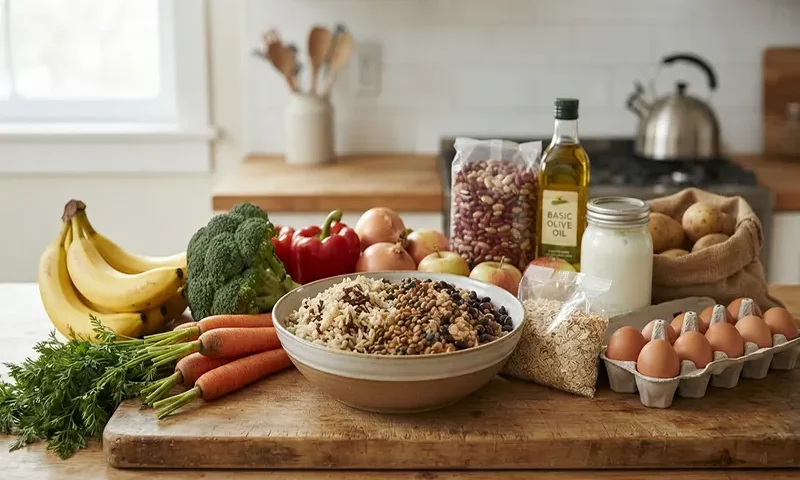
Shedding extra pounds does not require expensive specialty groceries, exotic superfoods, or pricey meal-delivery services. In fact, some of the most powerful tools for sustainable fat loss are sitting in the most affordable aisles of your local supermarket. Finding the right healthy whole food to eat to lose weight on a budget comes down to prioritizing nutrient density, high fiber, and satiety per dollar. When you shift your focus to unprocessed staples, you can achieve remarkable body composition changes while keeping your grocery bill remarkably low.
The Economics of Weight Loss and Whole Foods
A persistent myth surrounds healthy eating: the false assumption that whole foods cost significantly more than processed convenience items. In reality, packaged snack foods, frozen dinners, and fast-food meals carry a heavy markup for manufacturing, packaging, and marketing.
Whole foods offer a superior return on investment through the lens of satiety. Processed foods are typically engineered to be hyper-palatable, stripping away fiber and water while spiking blood sugar, which triggers rapid hunger. Conversely, inexpensive whole foods are rich in dietary fiber and micronutrients. They trigger gastric stretching and stabilize blood sugar levels, naturally managing hunger hormones like ghrelin and leptin. Achieving weight loss on a budget is entirely about choosing foods that keep you full longer on fewer calories.
Top Budget-Friendly Whole Food Superstars
Building a fat-loss menu requires focusing on affordable, versatile ingredients that deliver maximum nutritional value.
1. Pantry Staples: Legumes and Grains
Dried beans, lentils, chickpeas, and bulk grains form the ultimate foundation for any budget fat-loss plan.
- Lentils and Beans: Packed with plant-based protein and slow-digesting complex carbohydrates. They cost mere pennies per serving and stabilize energy levels.
- Brown Rice and Oats: Inexpensive whole grains that provide sustained energy, keeping your metabolism humming and preventing mid-day sugar crashes.
2. Cost-Effective Animal Proteins
Protein is crucial during weight loss to preserve lean muscle mass, but meat can quickly drain a wallet if not purchased strategically.
- Eggs: One of the most complete, bioavailable sources of protein on earth, costing a fraction of other animal proteins.
- Canned Tuna and Salmon: Shelf-stable, high in protein, and rich in metabolism-supporting omega-3 fatty acids.
- Whole Chickens: Buying a whole chicken rather than pre-cut breasts is nearly always cheaper, providing multiple meals of lean meat plus bones for homemade broth.
3. Budget Produce: Frozen and Root Vegetables
Fresh produce can spoil quickly, leading to wasted money. Smart budget shoppers utilize two major categories:
- Frozen Vegetables: Flash-frozen at peak ripeness, locking in nutrients. They require zero prep, have a long shelf life, and produce zero waste.
- Root Vegetables: Carrots, onions, sweet potatoes, and cabbages are hearty, inexpensive, and incredibly versatile for roasting, soups, and stews.
- Apples and Bananas: These reliable, year-round whole fruits provide natural sweetness, vitamins, and travel-friendly fiber.
Strategic Grocery Shopping and Meal Prep Tactics
Maximizing your savings requires shifting how you navigate the grocery store and manage your kitchen.
Smart Shopping Rule: Stick strictly to the perimeter of the supermarket where fresh produce, eggs, and basic proteins live, and bypass the center aisles filled with heavily processed boxed items.
- Buy in Bulk: Dry beans, oats, brown rice, and frozen fruit are significantly cheaper per serving when purchased in larger quantities.
- Embrace Batch Cooking: Prepare large pots of bean stews, roasted root vegetables, and grains on Sunday. Portioning out meals prevents impulse takeout orders during busy workdays.
- Eliminate Waste: Plan your meals around overlapping ingredients so every head of cabbage or bag of carrots gets used completely.
Sample 3-Day Budget Menu for Fat Loss
This sample meal layout demonstrates how affordable whole foods come together to create a satisfying, calorie-controlled daily intake.
- Day 1:
- Breakfast: Oatmeal cooked with water, topped with sliced banana and a pinch of cinnamon.
- Lunch: Tuna salad made with mashed avocado or plain Greek yogurt, served over a bed of shredded cabbage and carrots.
- Dinner: Lentil and sweet potato stew seasoned with cumin and garlic.
- Day 2:
- Breakfast: Three-egg scramble with onions and diced bell pepper.
- Lunch: Leftover lentil and sweet potato stew.
- Dinner: Baked whole-chicken thighs (or roasted chicken pieces) served with a large side of roasted frozen broccoli and brown rice.
- Day 3:
- Breakfast: Whole-grain toast topped with mashed chickpeas, lemon juice, and salt.
- Lunch: Chickpea, cucumber, and tomato salad dressed with olive oil and vinegar.
- Dinner: Black bean and brown rice bowls topped with salsa and steamed frozen greens.
Sustaining a Caloric Deficit Affordably
True, lasting fat loss requires a moderate caloric deficit—consuming slightly fewer calories than your body burns. Because whole foods naturally possess a low caloric density combined with high water and fiber volumes, you can eat satisfying, physically large portions without overshooting your energy intake. By focusing on inexpensive healthy foods, you protect your physical health, fuel your daily performance, and protect your finances all at once.

