
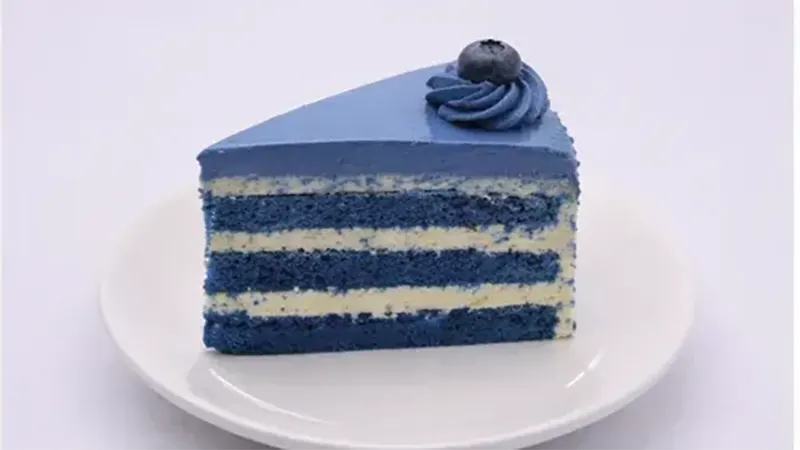
Walk through a farmers’ market and count the blue foods. Blueberries, maybe, and those turn closer to purple once you slice them. Little else comes to mind. Nature rarely makes a steady blue pigment, which is why food teams look so carefully at options such as gardenia blue when a recipe needs a true sky shade.
Nature Barely Uses Blue
Most blue in the natural world comes from physical structure, such as the way light scatters in a feather, or from pigments that only look blue under certain conditions. Anthocyanins, for example, swing from red to purple to blue as acidity changes. Holding one steady at a single shade is a job in itself, and a hard one.
That scarcity is why blue sweets and drinks leaned on synthetic dyes for so long. Replacing them is not a matter of picking the closest plant. It takes a source that survives the process and still looks the same a few months later on a shelf.
The algae route
Spirulina is a blue-green alga, and its blue comes from a protein pigment called phycocyanin. A purified spirulina extract color gives a clean, cool blue at very small doses, which is why it appears in frozen desserts, dairy products and chewing gum.
Its limits are heat and acid. Phycocyanin can fade or turn greenish after a hot step, and strongly acidic drinks may cloud it. So it usually goes in late in the process, and it does best in gentle, mild products that never see a harsh cook.
The Fruit Route
Gardenia blue starts with the fruit of Gardenia jasminoides. A compound from the fruit, called genipin, reacts with amino acids to form the blue. The method has long been used in parts of East Asia, so there is plenty of practical experience behind it.
Compared with the algae option, it generally copes better with heat, light and acidity. Formulators look at it for hard candy, beverages, baked goods and other foods that see a rough process. The exact tone can lean greener or redder depending on the grade, so keep a reference sample on the bench.
Greens and Purples Hide Behind Blue
Blue is also the base for other colors in the palette. Pair it with a yellow source, and you get green. Add a red anthocyanin, and you move toward purple. A weak or unsteady blue makes every one of those shades harder to hit.
So blue stability reaches beyond a single product. If the blue drifts, mint ice cream turns a pale gray-green and a grape drink goes dull. Test the finished blend after storage, not only the single pigment on its own in a beaker, because the mix is what the shopper will actually see.
Choosing Between the Two
Start with the process. Hot-filled drinks, boiled sweets and baked shells point toward the fruit-based source. Cold, mild products such as ice cream and yogurt suit the alga well, and its tiny dose keeps cost per serving low there.
Then look at cost and label wording. Each source has its own naming and claims, and prices move with harvest and demand, so a quote that looks fair in spring may not look the same by autumn. Run both in a small trial and compare them after a few weeks of storage, not after an hour on the bench.
Regional Rules and Paperwork
Approval is not the same everywhere. A pigment accepted in one market may be limited or newly reviewed in another, and the name allowed on a pack can differ too. Check each destination before you fix the recipe, because changing it later costs far more.
Ask for specifications, origin statements and stability data that match your own pH and heat steps, not a generic sheet. Good suppliers hand these over quickly, because they have been asked many times before and keep the files ready for the next buyer who needs them.
Conclusion
Blue asks more of a formulator than most shades do. It is rare in nature, touchy about its surroundings and tied to every other color in the palette, so mistakes spread. Neither source is perfect, though each earns a place once it is matched to the right product.
Anyone planning a blue launch can look through the plant-based range at foodrgb.com and request samples. Test them against a real recipe, under your own heat and light, before settling on a shade for the full production run.

